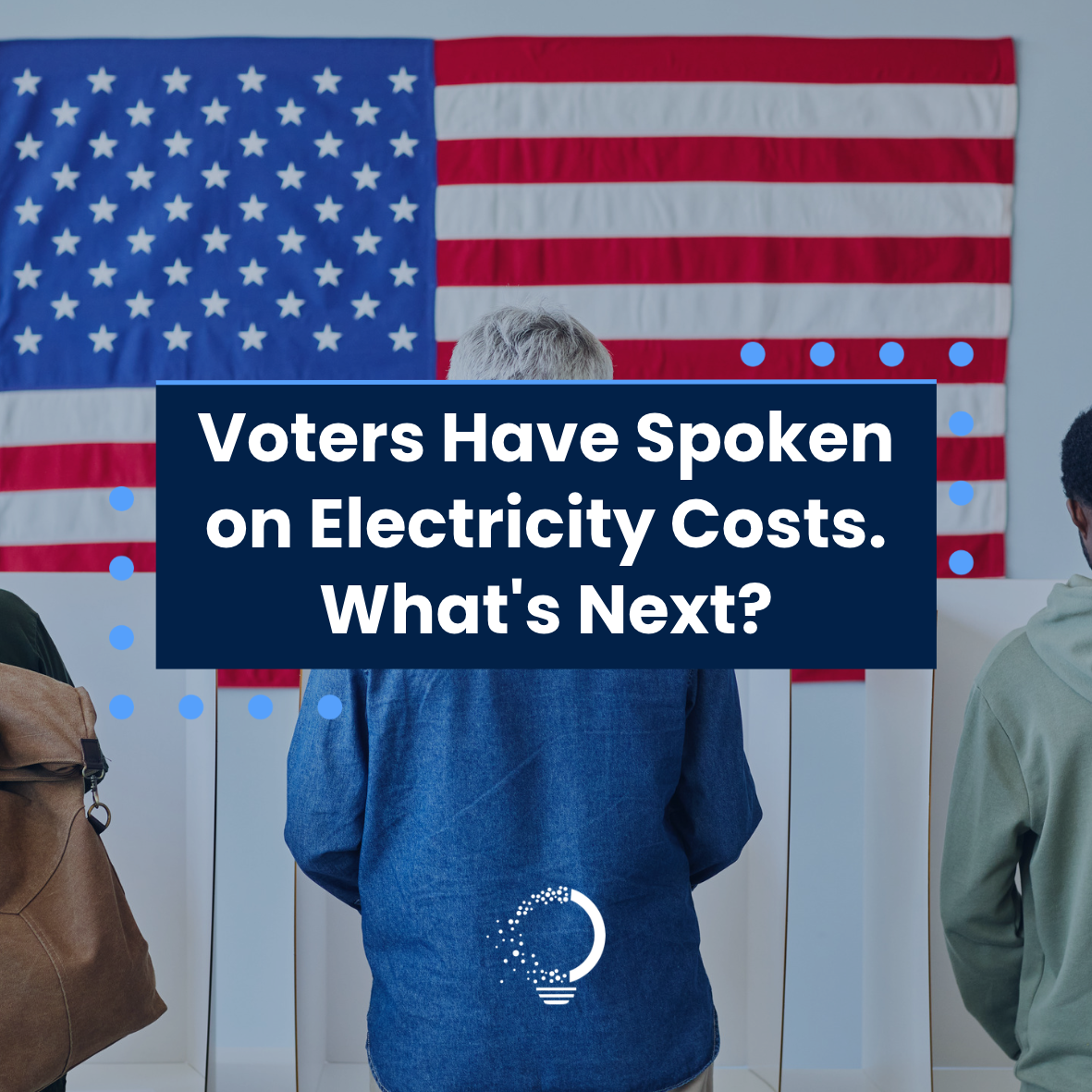
Election day has come and gone. The campaign ads have ended, but will the campaign promises we’ve heard along the way disappear with the silence of those incessant ads and fiery speeches?
Electricity affordability was a driving factor for voters at the ballot box this midterm election. It was recognized by all parties, either before or after the election.
Missouri Governor Mike Kehoe responded to election results, after 18 seats in the General Assembly flipped to Democrat, saying the results “deserve thoughtful reflection.” He went on to add that policies that help families pay their bills is an issue that matters most.
The desire among Americans to have the issue addressed was demonstrated in Georgia, where PSC commissioners lost to candidates who criticized approved utility rate hikes –– including cost overruns for the utility’s debacle over the management of the Vogtle power plant project. In Michigan, the voters overwhelmingly voted for a proposal to hold utilities accountable, fighting back against the political actions of utilities to influence lawmakers and regulators. And nine states across the country now have a governor or governor-elect who has advocated or campaigned to pause the development of data centers over various concerns, including more expensive electricity bills.
The focus on meeting growing demand with affordable electricity is primed for action. Protecting ratepayers from the vulnerabilities of an antiquated monopoly system is coming to the forefront. But with all of the chatter to deliver on affordability, solutions are needed if elected leaders are going to walk the walk.
There isn’t a question of growing electricity demand –– or even how costly that buildout can be. The question that needs to be asked by policymakers and regulators is who should pay for it?
It’s about building the power America needs without handing families the bill.
Findings in a new report from the Mackinac Center for Public Policy on Michigan’s Electric Choice Program should serve as a lesson for other states on how a BYOP policy model for large energy users can remove risks for ratepayers, including costs and reliability.
As state legislatures prepare to convene in January, lawmakers have an opportunity to turn campaign promises into meaningful policy. They can protect consumers, welcome private capital and give large energy users greater responsibility for meeting their own electricity needs.
