
Categories
Energy News

From Earth’s Core to Your Front Door: 65 Years of The Geysers

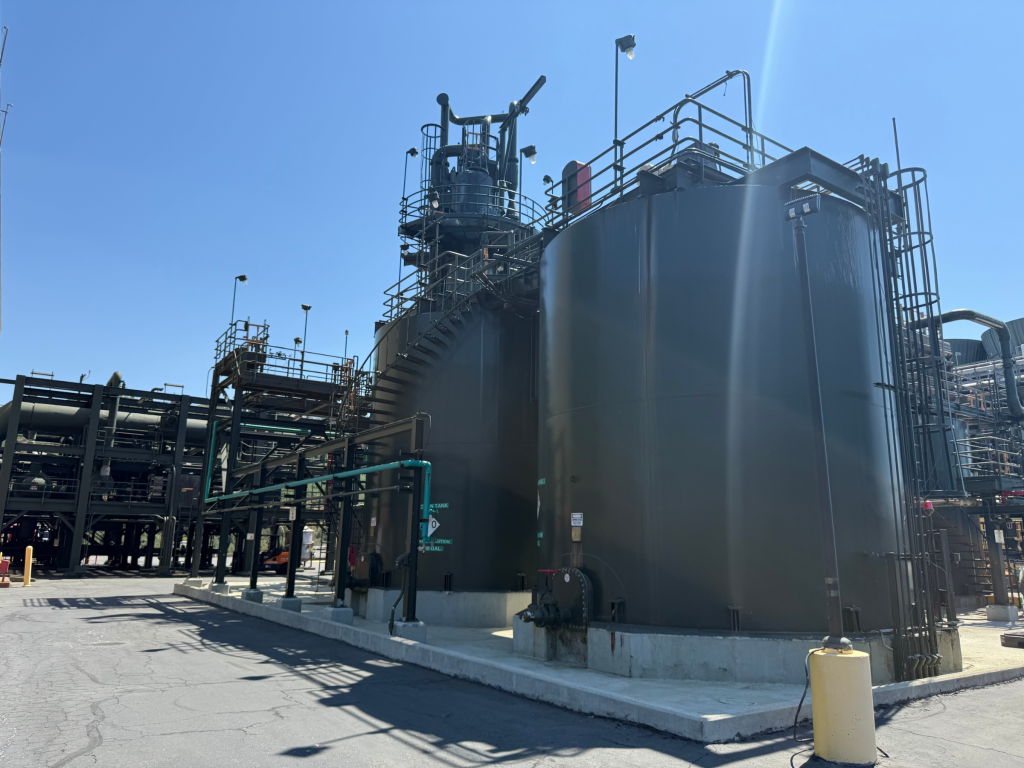
In northwestern California, miles below the crust of the Earth, there is a natural and clean energy source that can be converted into enough electricity to power 725,000 homes. That energy source is steam.

About a quarter million years ago steam began erupting from a hot water geothermal reservoir deep within the Mayacamas Mountain Range. Tens of thousands of years prior, a 1400-degree Fahrenheit plume of molten magma shot upward toward the Earth’s surface. Maintaining high temperatures, that magma boiled water as it seeped through fractures in the rock. Now, thousands of years later, that geothermal resource is the primary component of the single largest geothermal electrical operation in the world, called The Geysers. 
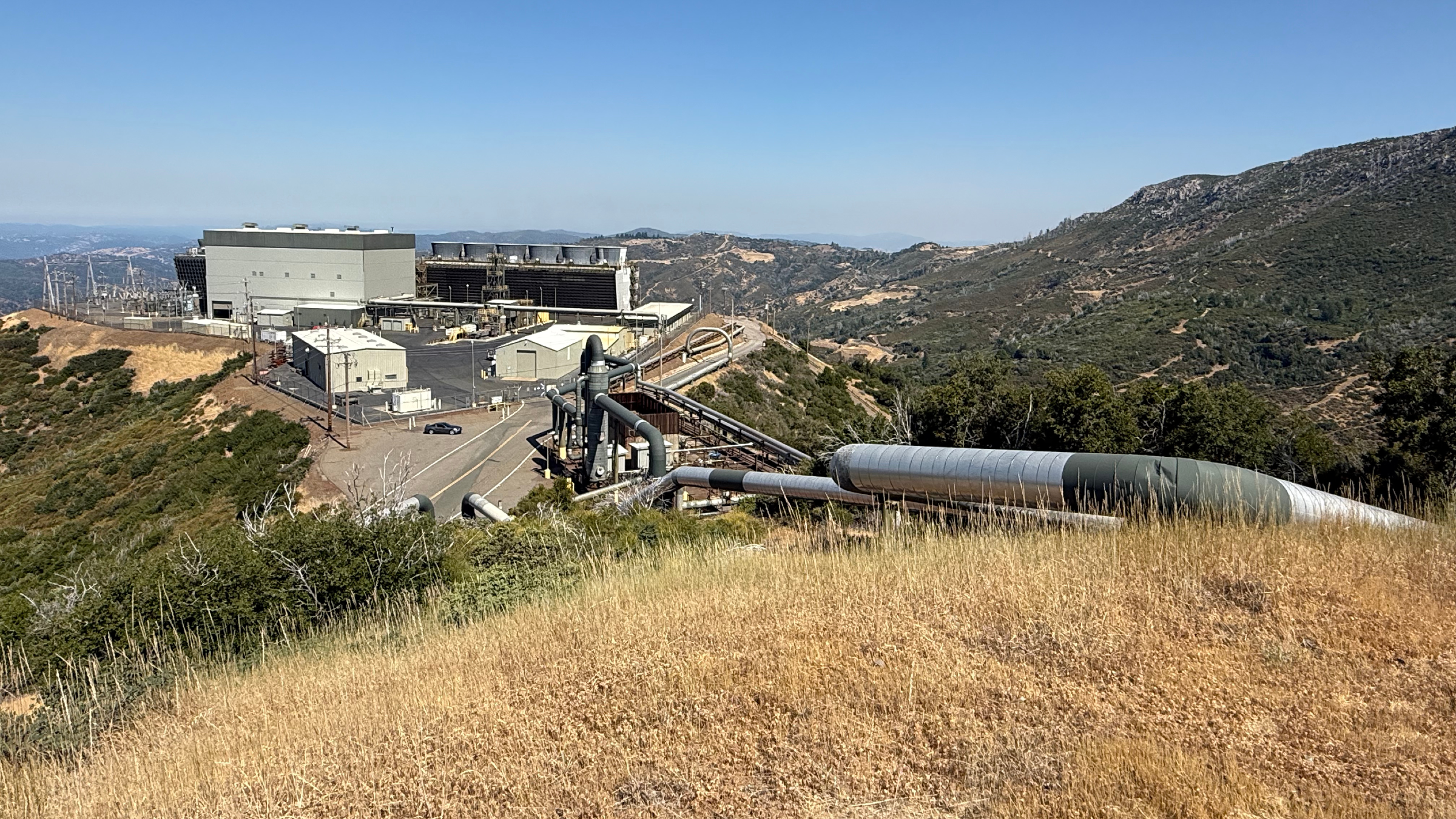
For 65 years, The Geysers, now owned and operated by Calpine Corporation, has been generating renewable power using steam heated by the Earth’s core.

For nearly the first 40 years of power generation at The Geysers, the local investor-owned utility managed operations, producing 11 megawatts of electricity at the start. By the time the ’90s rolled around, steam production began to decline due to overuse and a lack of water supply replenishing the reservoir. Sustaining operations required significant investment –– a challenge for the utility, which was shifting its focus more toward the transmission and distribution of electricity.

At the same time, California was restructuring its energy market, opening a door for independent power generators, like Calpine, to purchase generation assets from utility companies and operate them.

This shift in ownership marked a turning point. With The Geysers offering great potential, Calpine stepped in with much-needed upgrades –– funded by private capital, not ratepayer dollars.
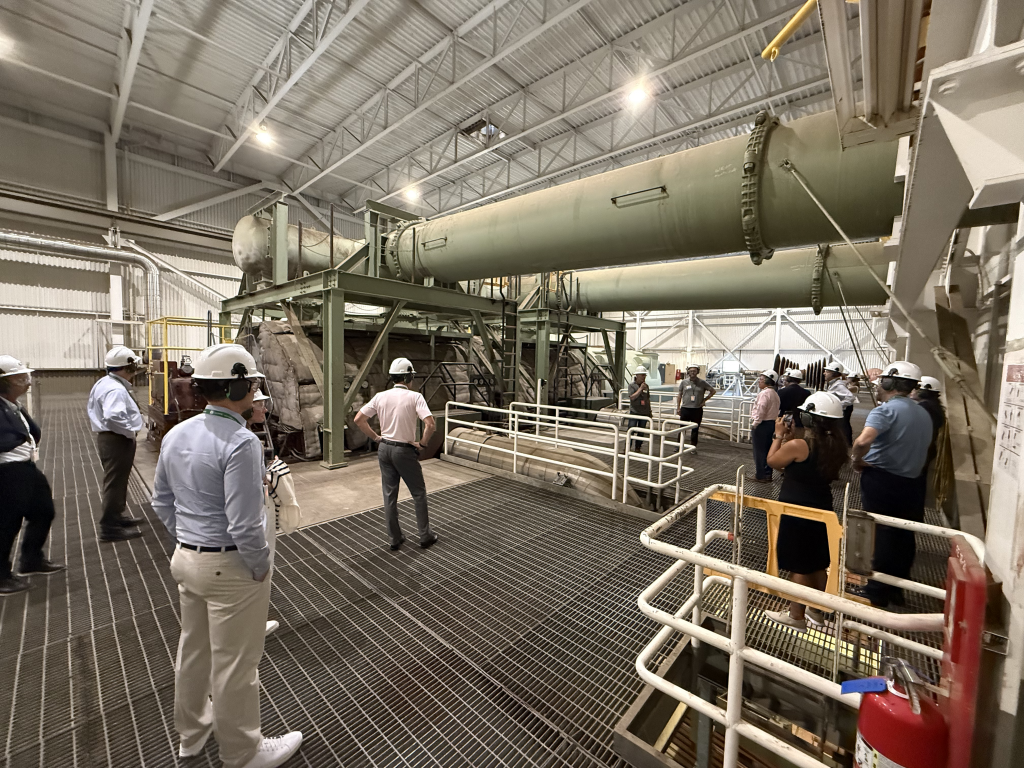

Calpine brought an innovative approach to help restore the steam output needed to increase power generation. By partnering with neighboring municipalities, Calpine constructed pipelines to transport treated wastewater to The Geyers to replenish the reservoir and increase steam pressure. 

After many upgrades to the power plants and adding new resources of water to help produce steam, The Geysers’ power generation has stabilized with a current net generating capacity of about 725 megawatts of electricity, supplying around-the-clock energy to Sonoma, Lake, and Mendocino counties, as well as parts of Marin and Napa.

Today, Calpine operates 13 geothermal power plants at The Geysers. The site remains the largest geothermal operation in the world and is now being celebrated for its 65th anniversary of supplying energy to California residents.
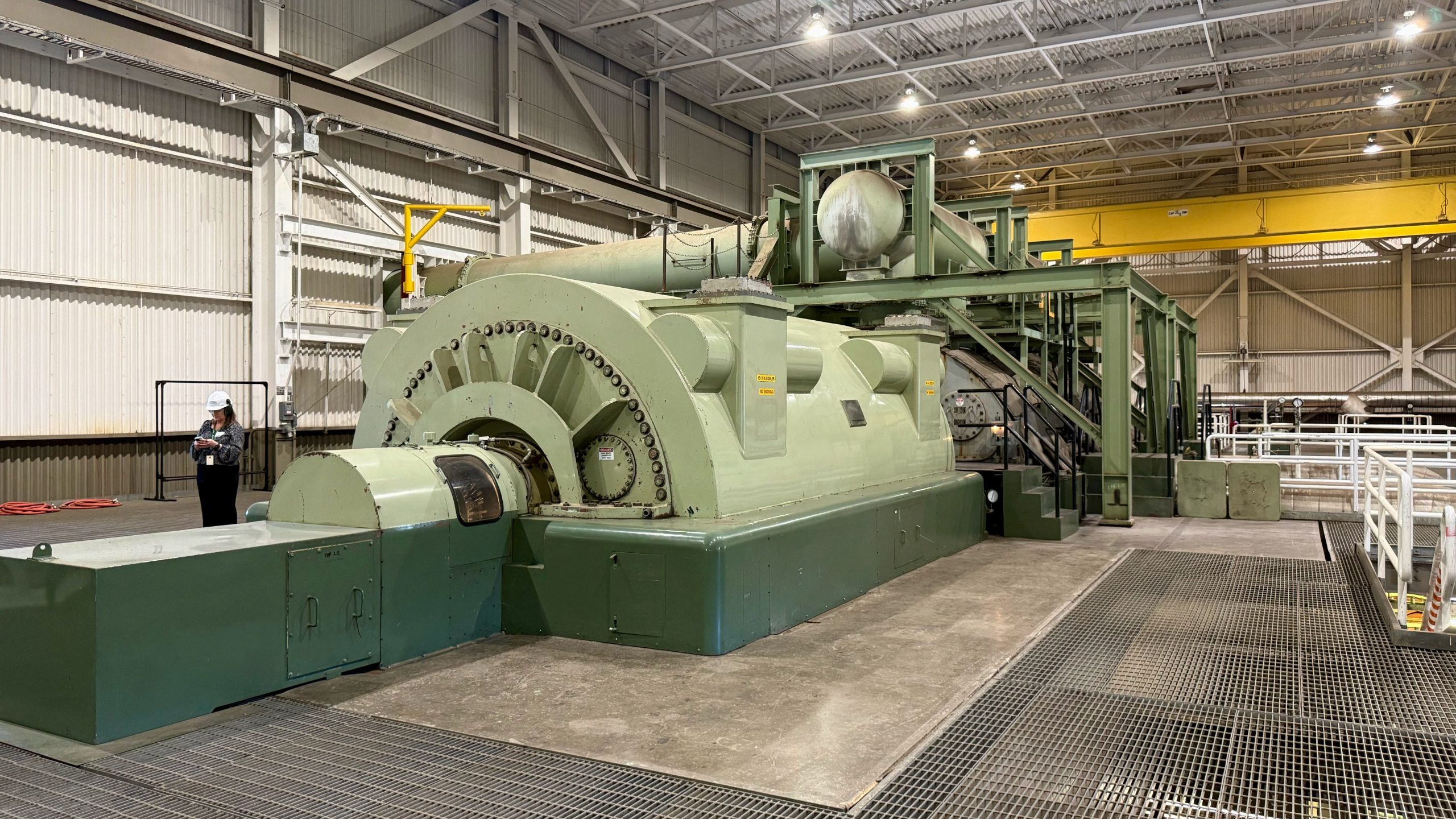
The Geysers demonstrate the power of competitive markets in action. Introducing competition into a state’s energy market allows for new investments and innovative ideas, without burdening otherwise captive ratepayers. 

From its beginnings to its status today as the world’s largest geothermal facility, Calpine’s stewardship of The Geysers proves how competitive retail markets and independent generation investment can deliver lasting value for both consumers and their communities.

Categories
Energy News

Q&A With McDowell Hetherington: An Experienced Retail Energy Law Firm

Retail energy suppliers know that navigating today’s legal and regulatory environment can be complex, and having the right legal partner makes all the difference. McDowell Hetherington (MH), a REAL business partner, has built a reputation as a go-to litigation firm for the energy sector, representing clients in high-stakes cases nationwide. 

REAL spent time with Matt Matthews, a partner at Houston-based McDowell Hetherington, asking questions to learn more about the firm and gather insights on evolving issues and the latest legal trends that suppliers should be aware of to protect their operations.

Q: Who are McDowell Hetherington?

A: McDowell Hetherington is an elite litigation firm that represents clients in complex commercial disputes across the country. MH has sixty lawyers (licensed in twenty-two states) based in offices in Texas, California, and Florida. We are hard-working, creative, client-focused, and results-oriented. Since the firm’s founding in 2009, we have been lead counsel in the trial courts of every state and have successfully argued appeals before the United States Courts of Appeals for eleven federal circuits and numerous states’ appellate courts.

Q: How does MH support clients in the energy sector, particularly in retail energy?

A: For more than fifteen years, MH has represented retail suppliers—including many REAL members—in hundreds of matters in more than thirty-five states. This experience includes commercial disputes (plaintiff-side and defense-side), a variety of contract and tort cases, and dozens of class actions (including variable-pricing, sales, contract-disclosure, and TCPA cases).

No law firm has had more experience or more success defending retail suppliers in class actions about variable-rate pricing and disclosures. Since 2014, we have represented retailers in more than fifteen such cases. Our wins at the dismissal and summary judgment stages—and our success in the Second and Seventh Circuits affirming those decisions—have helped shaped this area of the law in a way that has given the industry a roadmap to potential victory.

Q: What sets MH apart from other litigation firms?

A: The depth of our experience in retail energy litigation and our understanding of the industry set us apart. In fact, when it comes to retail energy litigation, our experience is unmatched. For years, we’ve communicated with our retail energy clients about their cases on a daily basis. We have also seconded attorneys to our retail energy clients on five occasions. As a result of all this experience, we know our retail energy clients’ businesses, the litigation challenges they face, and the best ways to tackle those challenges. The strength of our connections and depth of our institutional knowledge enable us to handle our retail energy clients’ cases efficiently and effectively.

Q: Are there legal trends within the energy sector that you are noticing?

A: After a few quieter years, variable-rate pricing and disclosure class action filings are back on the rise. There are a few consumer class action firms with significant experience in these cases that are adjusting older arguments and/or pursuing new ones. As an example of a new argument, we’ve seen variable-rate cases that now also include claims alleging that representations about the renewable qualities of electricity were misleading (i.e., allegations that marketing electricity matched with RECs as “renewable” or “green” is inaccurate). Those same firms are also broadening their claims to include nationwide customers, regardless of the product they purchased—whether power or gas, residential or commercial, green or standard.

Q: What is a recent notable case MH litigated that is important for retail suppliers to be aware of?

A: In 2022, MH won the first two summary judgments ever granted under a New York statute about variable-rate disclosures in consumer electricity and natural gas contracts. We then argued the appeals, both of which were summarily affirmed by the Second Circuit in 2023, ending two putative class actions after six years of litigation. While these cases were decided under New York law, their conclusions about what constitutes a “clear and conspicuous” disclosure have broader application for retail suppliers.

MH also recently acted as lead counsel for the retail electric provider defendants’ group in the Texas Winter Storm Uri MDL. We drafted and successfully argued the retailers’ bellwether motion to dismiss, one of only two industry-group dismissal motions that was fully granted (and was not appealed).

Q: How does MH stay ahead of regulatory and industry changes?

A: As mentioned, we’re in daily communication with our leading retail energy clients, who are the most knowledgeable and reliable source of information about regulatory and industry changes. But we of course also monitor industry news sources to identify legal and regulatory developments that could impact our clients. In addition, when it comes to litigation, for the last decade, we have closely tracked all variable-rate class actions across the country to identify trends, key court decisions, and settlement structures in those cases—a practice that helps us use winning arguments, avoid losing ones, and proactively manage our clients’ risks.

Q: What should a prospective client expect when working with MH?

A: Any prospective client can expect high-quality legal analysis, writing, and oral advocacy from MH. They can also expect responsiveness, dedication, and an intense focus on client service. A prospective retail energy client can also expect that we’ll know your industry—you won’t have to teach us. We know how deregulated energy markets are structured, how electricity and natural gas are traded, how energy supply portfolios are hedged, and how consumer and large commercial and industrial contracts work. We’ll hit the ground running and won’t need any handholding.

Looking to learn more about McDowell Hetherington? Connect with Matt Matthews and Diane Wizig.

Categories
Energy News

After August 1 Massachusetts Utility Rate Increases, Retail Supply Rates Could Save Consumers Up to 23% on Electric Bills

BOSTON –– Most residential electric customers in Massachusetts saw their utility supply rates increase on August 1, as Eversource and National Grid’s basic service rates increased. But residents can save significant money by shopping with a competitive electric supplier.

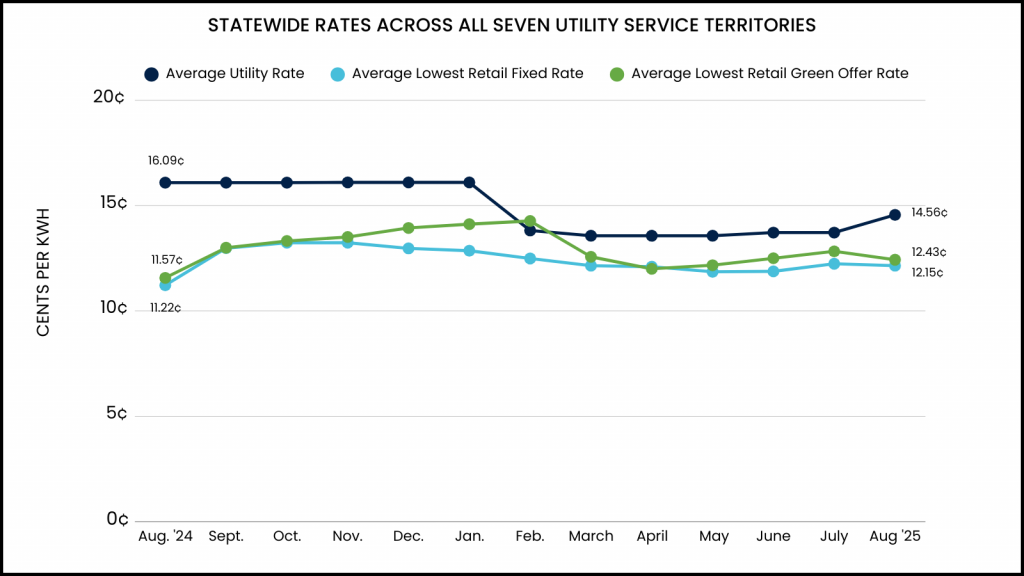
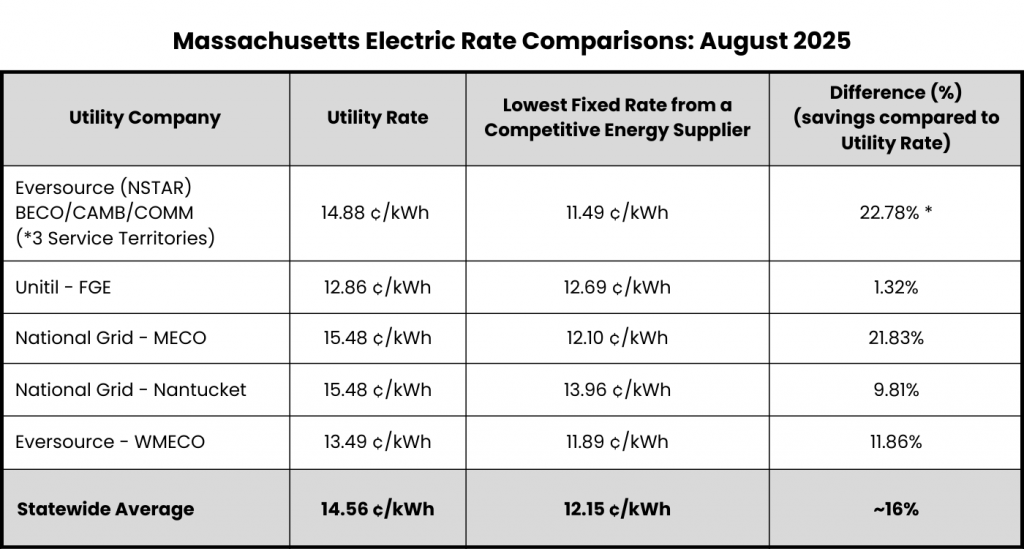
According to a new August rate summary analysis by My Energy Choice, retail electric suppliers have 132 fixed-rate offers available this month that are less than utility company rates for Massachusetts customers to enroll in. The lowest retail offers available in the state’s seven utility service territories range from .2¢ – 3.39¢ per kiloWatt hour (kWh) cheaper than the utility rate in each service territory. The statewide average savings customers could receive is ~16%.

Eversource customers in the BECO, CAMB and COMM service territories can save up to 23% on the supply portion of their bill, while National Grid customers in the WMECO territory can save up to 22%. Those saving percentages would equate to about $40 a month for a customer that uses 1,000 kWh per month.

Customers who prioritize green energy can also find offers for less than utility rates. The statewide average price for green offers (exceeding the state’s minimum clean energy requirement) in August was still 2¢ less than the statewide average utility rate.

A total of 241 competitive electric supply offers were available on August 13. Customers had 110 100% renewable energy offers to choose from.

This monthly rate summary analysis can be found here. Massachusetts residents can review offers from competitive energy suppliers using the state shopping website EnergySwitchMA.gov. View a guide to shopping here.

Data for this analysis is sourced from Massachusetts’ state-managed energy shopping website, EnergySwitchMA.gov.